
Wolverines are returning to Colorado as part of a historic reintroduction plan announced by Colorado Parks and Wildlife (CPW) in January 2026. After decades of absence—the last recorded wolverine in the state was in 1919—these elusive, powerful scavengers are set to reclaim high-alpine habitats. With fewer than 300 wolverines left in the Lower 48, this effort could boost the species’ population significantly while restoring ecological balance in our mountains.
For full details, read the CPW Wolverine Restoration Plan announcement and GearJunkie coverage.
History and Reasons for Reintroduction. Wolverines once roamed Colorado’s high country but were extirpated by the early 1900s due to trapping and habitat loss. In 2023, they gained federal threatened status under the Endangered Species Act. Bipartisan legislation (SB24-171) in 2024 empowered CPW to lead a planned reintroduction, unlike the more controversial wolf effort. The goal: establish a self-sustaining population in the largest block of unoccupied wolverine habitat in the Lower 48 (about 20% of total potential range).
The 2026 Restoration Plan. CPW’s plan calls for translocating up to 15 wolverines per season for 3+ years (total ~45 individuals), with releases starting as early as winter 2027. Animals will likely come from Western Canada or Alaska. Three high-mountain release zones are targeted (exact locations kept general to protect the animals), with 94% of habitat on federal land, including areas near Rocky Mountain National Park. Key steps include federal 10(j) designation for “nonessential experimental” status, livestock compensation rules, and a communications plan for stakeholders.
Local Insights for Colorado Springs. While reintroductions focus on remote alpine zones, the plan benefits our region indirectly. Wolverines scavenge carcasses, recycle nutrients, and reduce disease spread—vital for healthy ecosystems in the Rocky Mountain National Park or maybe even in the Pikes Peak area one day. This restored biodiversity supports tourism and outdoor recreation. For residents, it means richer wildlife viewing opportunities without direct conflict—wolverines rarely threaten livestock (only a few sheep cases recorded) and like to stay above 10,000 feet elevation.
Excited about Colorado’s changing wildlife landscape or exploring properties near these areas? Call, text, or visit thebaconpartners.com/contact for real estate guidance.
Want to learn about outdoor living in Colorado Springs? Check out my article here: Best Hikes Around Colorado Springs.
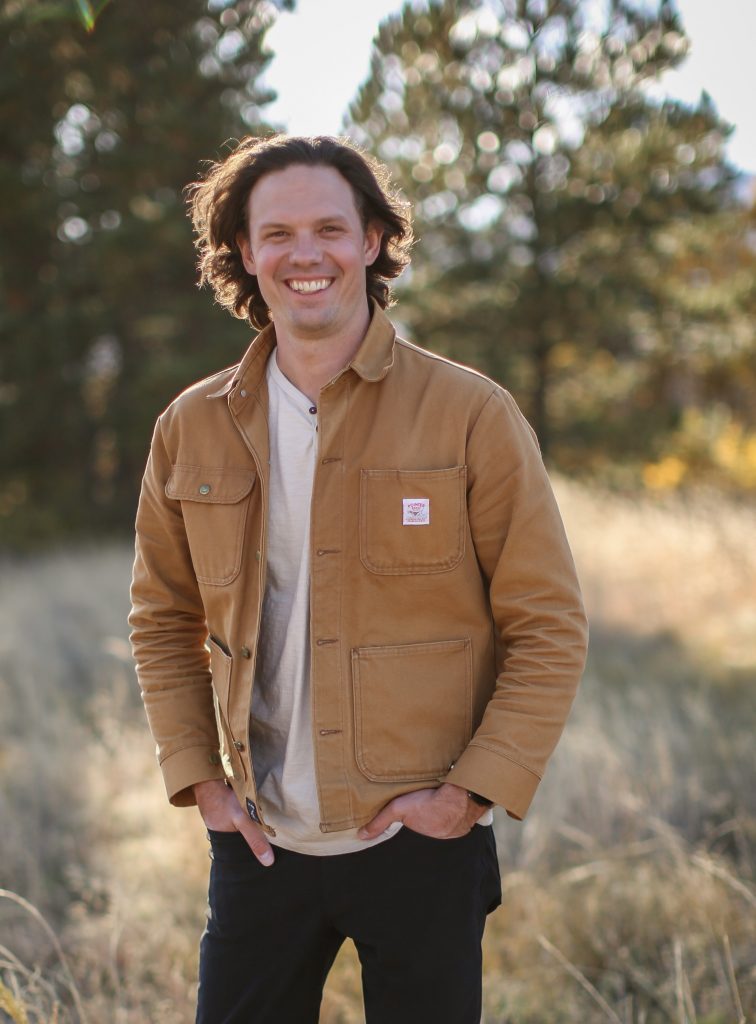
I’m Andrew Bacon, a Top Colorado Springs Real Estate Broker in Colorado Springs. I take care of my clients as family and aim to provide them with the necessary information and tools to navigate the complex markets in Colorado and around the US.
As a member of the Pikes Peak & Denver Metro Association of Realtors, I enjoy staying aware of current cultural trends and economic drivers.Check back regularly for new articles on all things real estate along Colorado’s Front Range.
More Articles
- Things to do in Colorado Springs – 2026
 There are LOTS of things to do in Colorado Springs! Offering an incredible mix of outdoor adventure, family-friendly attractions, and various fun experiences, our city is one of the best places to visit and live in Colorado. Whether you’re a longtime resident, a military family… Read more: Things to do in Colorado Springs – 2026
 - Colorado Wildfire Building Code: What Homeowners Need to Know in 2026
 Colorado’s new statewide wildfire building code took effect on July 1, 2026, making it the first Western state after California to adopt mandatory fire-hardening standards for homes in wildland-urban interface (WUI) areas. This code aims to reduce the risk of homes igniting during wildfires, which… Read more: Colorado Wildfire Building Code: What Homeowners Need to Know in 2026
 - Wild Horse Reservoir Project Update: Wild Horse South Reservoir Selected
 The Wild Horse Reservoir Project is moving forward with a key change: Aurora Water has selected the Wild Horse South Reservoir alternative for further environmental review and permitting. Announced in the Spring 2026 newsletter, this decision follows evaluation of several sites identified by the Bureau… Read more: Wild Horse Reservoir Project Update: Wild Horse South Reservoir Selected
 - PPAR MLS Changing to Elevate MLS: What It Means for Colorado Springs
 PPAR MLS is changing to Elevate MLS, marking a major upgrade for real estate professionals and clients in the Pikes Peak region. The Pikes Peak Association of Realtors has officially transitioned its Multiple Listing Service to the new elevateMLS™ platform in 2026. This rebrand brings… Read more: PPAR MLS Changing to Elevate MLS: What It Means for Colorado Springs
 - Homeschooling in Colorado Springs: Co-ops and Programs Guide 2026
 Homeschooling in Colorado Springs continues to grow in popularity as families seek flexible, personalized education options that align with our outdoor lifestyle and strong community values. Whether you’re a military family stationed near Peterson AFB or Fort Carson, or a local looking for more control… Read more: Homeschooling in Colorado Springs: Co-ops and Programs Guide 2026
 - I-70 Floyd Hill Project: Major Improvements
 The I-70 Floyd Hill project is one of Colorado’s most significant highway upgrades, improving safety, capacity, and travel times along a critical corridor west of Denver. While not directly in Colorado Springs, this project impacts our region by easing travel for residents, military families, and… Read more: I-70 Floyd Hill Project: Major Improvements