Colorado’s new statewide wildfire building code took effect on July 1, 2026, making it the first Western state after California to adopt mandatory fire-hardening standards for homes in wildland-urban interface (WUI) areas. This code aims to reduce the risk of homes igniting during wildfires, which have become an increasing threat in Colorado Springs and surrounding communities.
For the official code details and educational resources, visit the Colorado Division of Fire Prevention and Control.
Key Requirements of the New Code The code sets minimum standards for new construction and major renovations in designated wildfire-prone zones. Requirements include:
- Fire-resistant roofing materials
- Ember-resistant vents
- Non-combustible or ignition-resistant siding and decking
- Defensible space around structures
For existing homes, the code is triggered when repairs exceed 25% of the structure (e.g., replacing a hail-damaged roof). In those cases, the entire roof or affected exterior must meet the new standards.
Local Impact in Colorado Springs and El Paso County In Colorado Springs, many neighborhoods — especially those bordering the foothills, Black Forest, and areas like Briargate and Northgate — fall within WUI zones. The code affects both new builds and significant remodels, which is relevant for the many military families and first-time buyers in our area. Local jurisdictions can create their own wildfire intensity maps (low, moderate, high risk), but a default map applies where none exists. This means homeowners in high-risk zones may face stricter requirements and potentially higher rebuilding or insurance costs.
What This Means for Homeowners
- New Construction: Must comply from the start, potentially raising building costs but improving long-term insurability and resale value.
- Existing Homes: Only triggered during major repairs, giving most owners time to plan.
- Insurance and Resale: Fire-hardened homes are easier to insure and more attractive to buyers in a market where wildfire risk is a growing concern.
For full details on how this code affects property owners, see the recent coverage in The Gazette: What Does Colorado’s First Statewide Wildfire Building Code Mean for Homeowners?.
Concerned about how the new wildfire building code might affect your home or your plans to buy or sell in Colorado Springs? Call, text, or visit thebaconpartners.com/contact for personalized real estate guidance.
Want practical steps to protect your home from wildfire risk? Check out my article here: Protect Yourself From Wildfires in Colorado Springs.
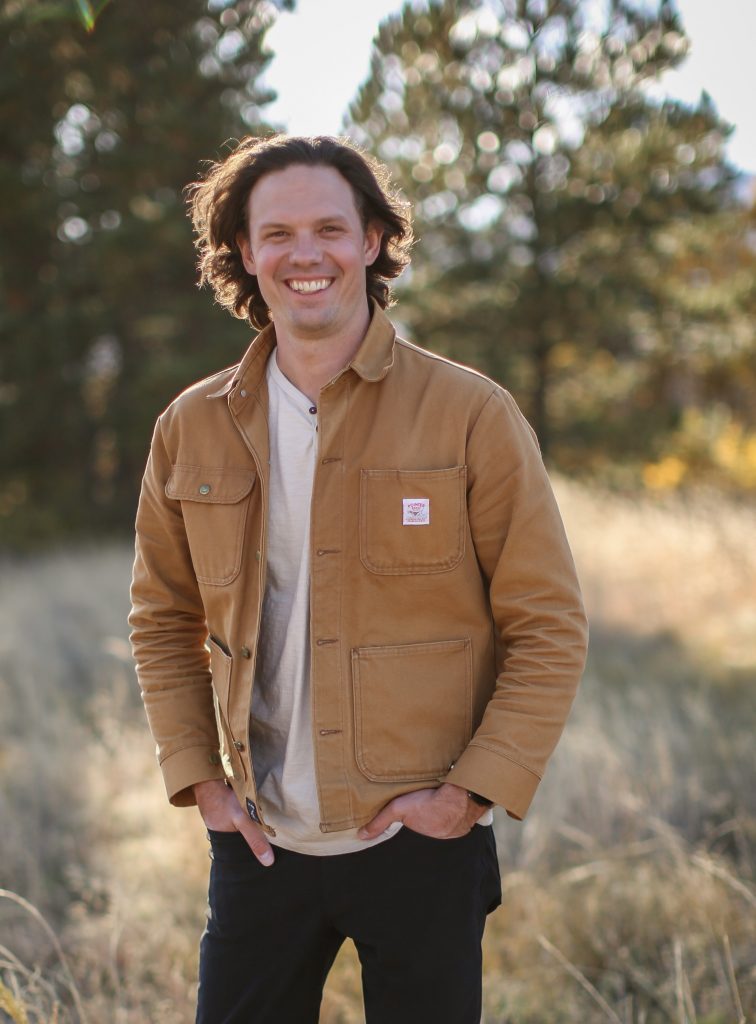
I’m Andrew Bacon, a Top Colorado Springs Real Estate Broker in Colorado Springs. I take care of my clients as family and aim to provide them with the necessary information and tools to navigate the complex markets in Colorado and around the US.
As a member of the Pikes Peak & Denver Metro Association of Realtors, I enjoy staying aware of current cultural trends and economic drivers.Check back regularly for new articles on all things real estate along Colorado’s Front Range.
More Articles
- Things to do in Colorado Springs – 2026
 There are LOTS of things to do in Colorado Springs! Offering an incredible mix of outdoor adventure, family-friendly attractions, and various fun experiences, our city is one of the best places to visit and live in Colorado. Whether you’re a longtime resident, a military family… Read more: Things to do in Colorado Springs – 2026
 - Colorado Wildfire Building Code: What Homeowners Need to Know in 2026
 Colorado’s new statewide wildfire building code took effect on July 1, 2026, making it the first Western state after California to adopt mandatory fire-hardening standards for homes in wildland-urban interface (WUI) areas. This code aims to reduce the risk of homes igniting during wildfires, which… Read more: Colorado Wildfire Building Code: What Homeowners Need to Know in 2026
 - Wild Horse Reservoir Project Update: Wild Horse South Reservoir Selected
 The Wild Horse Reservoir Project is moving forward with a key change: Aurora Water has selected the Wild Horse South Reservoir alternative for further environmental review and permitting. Announced in the Spring 2026 newsletter, this decision follows evaluation of several sites identified by the Bureau… Read more: Wild Horse Reservoir Project Update: Wild Horse South Reservoir Selected
 - PPAR MLS Changing to Elevate MLS: What It Means for Colorado Springs
 PPAR MLS is changing to Elevate MLS, marking a major upgrade for real estate professionals and clients in the Pikes Peak region. The Pikes Peak Association of Realtors has officially transitioned its Multiple Listing Service to the new elevateMLS™ platform in 2026. This rebrand brings… Read more: PPAR MLS Changing to Elevate MLS: What It Means for Colorado Springs
 - Homeschooling in Colorado Springs: Co-ops and Programs Guide 2026
 Homeschooling in Colorado Springs continues to grow in popularity as families seek flexible, personalized education options that align with our outdoor lifestyle and strong community values. Whether you’re a military family stationed near Peterson AFB or Fort Carson, or a local looking for more control… Read more: Homeschooling in Colorado Springs: Co-ops and Programs Guide 2026
 - I-70 Floyd Hill Project: Major Improvements
 The I-70 Floyd Hill project is one of Colorado’s most significant highway upgrades, improving safety, capacity, and travel times along a critical corridor west of Denver. While not directly in Colorado Springs, this project impacts our region by easing travel for residents, military families, and… Read more: I-70 Floyd Hill Project: Major Improvements