
Hey Friends!
I hope you had a great time celebrating America’s 250th birthday!
Today’s email is a little longer than usual, so get your coffee and get ready! I am focusing on one question: “What is going on with this real estate market?” While I don’t have all the answers (nobody does), I do have 6 fun facts that help explain some of what has contributed to the current market conditions today. As always, reach out anytime with questions or comments. I love hearing from you guys!
Blessings,
Andrew
Fun Fact 1:
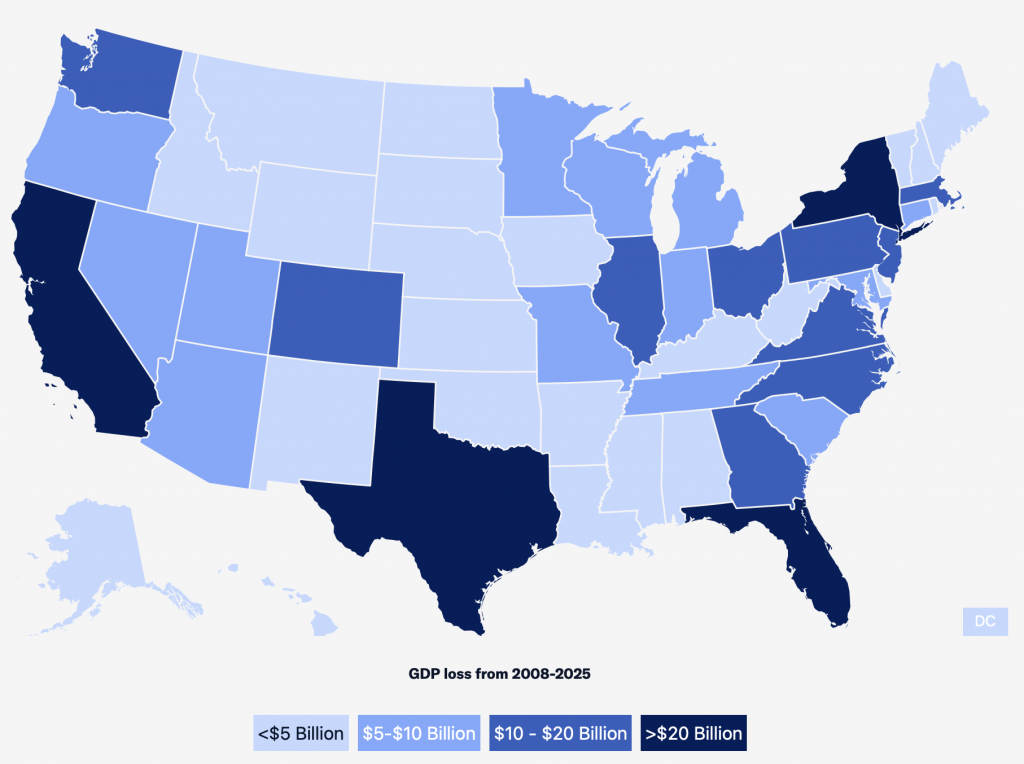
The big picture is the housing shortage: This map shows how much GDP each state has lost since 2008 because we didn’t build enough homes. Darker shades = bigger losses (some states missed out on $20+ billion). The issue? In short- we under built after the financial crisis — and that missing housing investment went elsewhere in the economy.
Source: US Chamber of Commerce
Fun Fact 2:
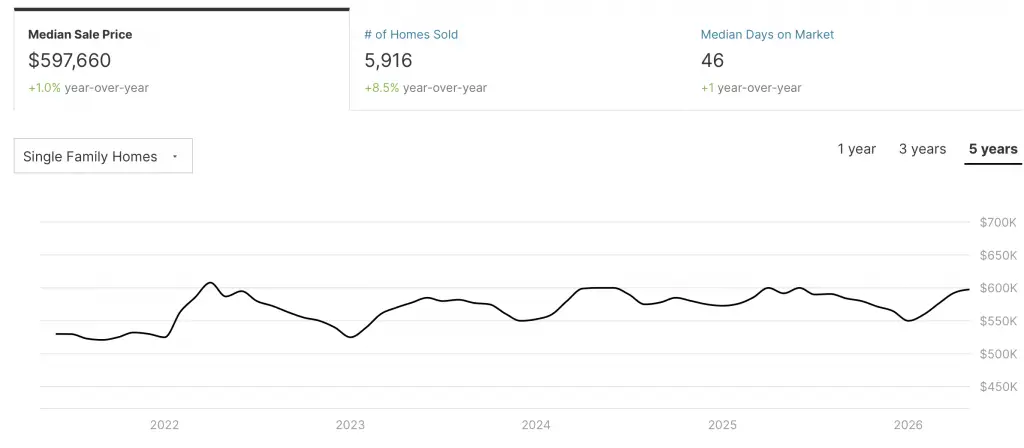
In May, home prices in Colorado were up 0.9% compared to last year, selling for a median price of $563,000. On average, the number of homes sold was up 5.1% year over year and there were 7,546 homes sold in May this year, up from 7,179 homes sold in May last year. The median days on the market was 49 days, up year over year.
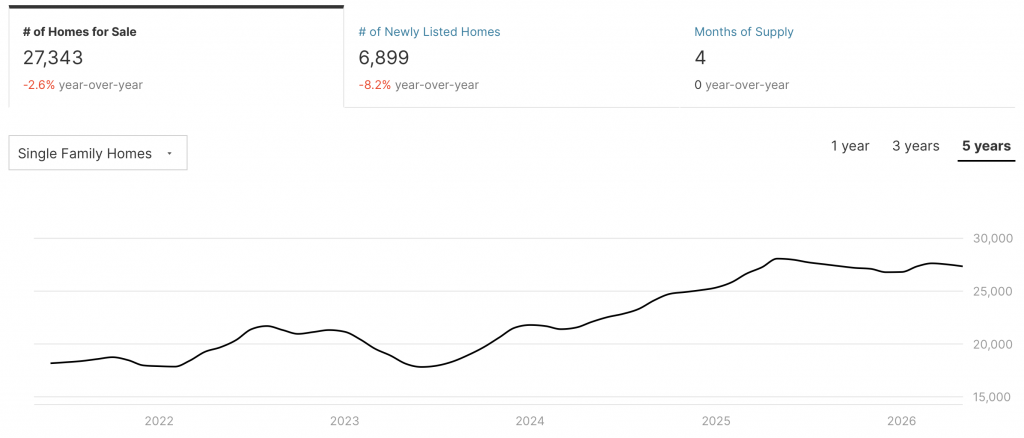
In May 2026, there were 38,430 homes for sale in Colorado, down 2.1% year over year. The number of newly listed homes was 9,272 and down 8.6% year over year. The average months of supply is 4 months, down year over year.
Source: Data from Realtor.com, May 2026
Fun Fact 3:
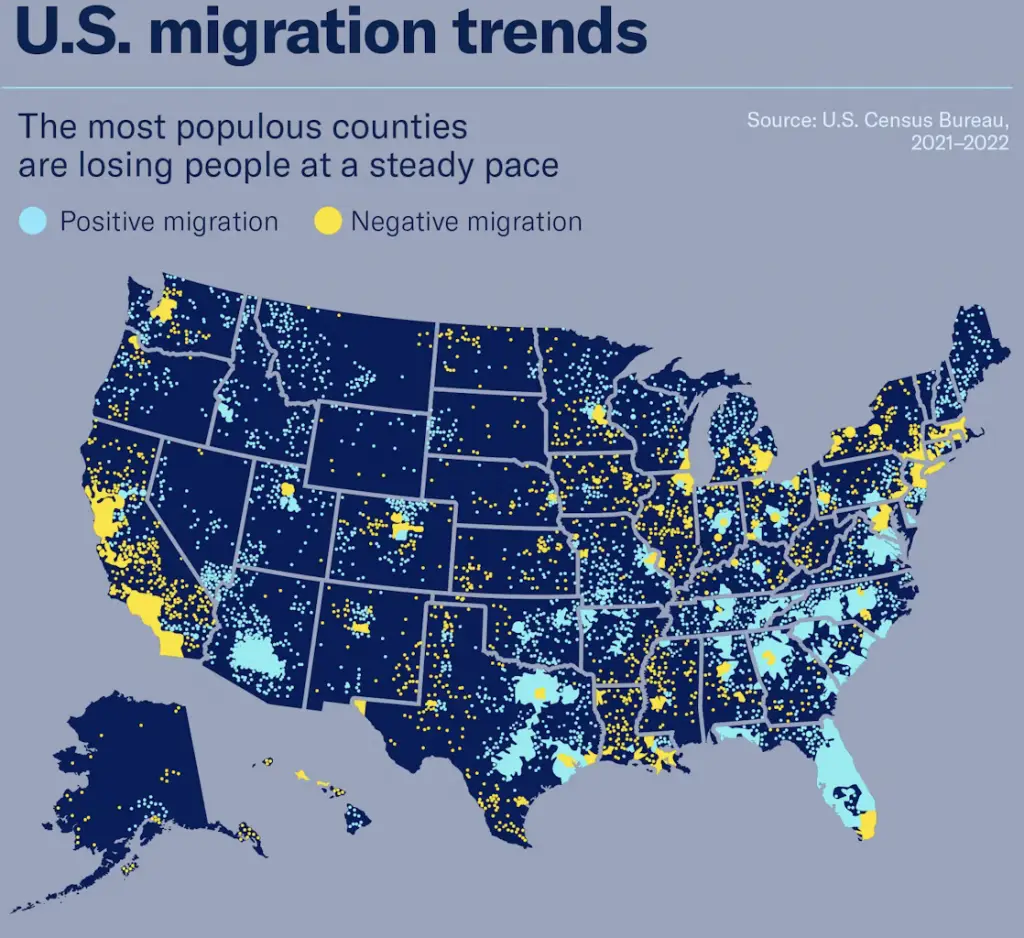
The current housing issue boils down to this: We’re not building enough new homes to match demand — especially in fast-growing areas. People are leaving expensive, supply-constrained regions like California, Denver, Seattle, Miami and the Northeast, where housing costs have skyrocketed. This eases some pressure there, but it doesn’t solve the national shortage. Businesses are moving too. In 2023, the South gained 888 new firms while the Northeast lost nearly 500. Those companies bring employees — which adds even more housing demand in the growing South. (There have been many more announced moves since 2023, but the data hasn’t caught up.)
Source: US Chamber of Commerce
Fun Fact 4:
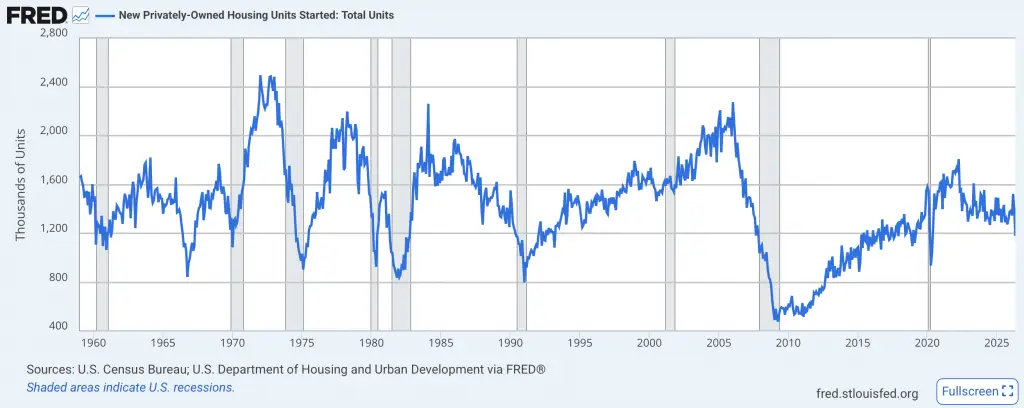
Why Aren’t We Building Enough Homes?
Regulatory roadblocks have caused burdensome permitting, outdated zoning rules (lot sizes, parking requirements), complex laws, price controls, and strict financial regs all slow down construction and drive up costs. Reforming these could help builders create more homes faster and cheaper. Rising construction costs caused by pandemic supply chain issues continue to limit key building materials. This scarcity has pushed new home construction costs to record highs, making it tough for builders to keep projects affordable while covering expenses.
Source: fred.stlouisfed.org
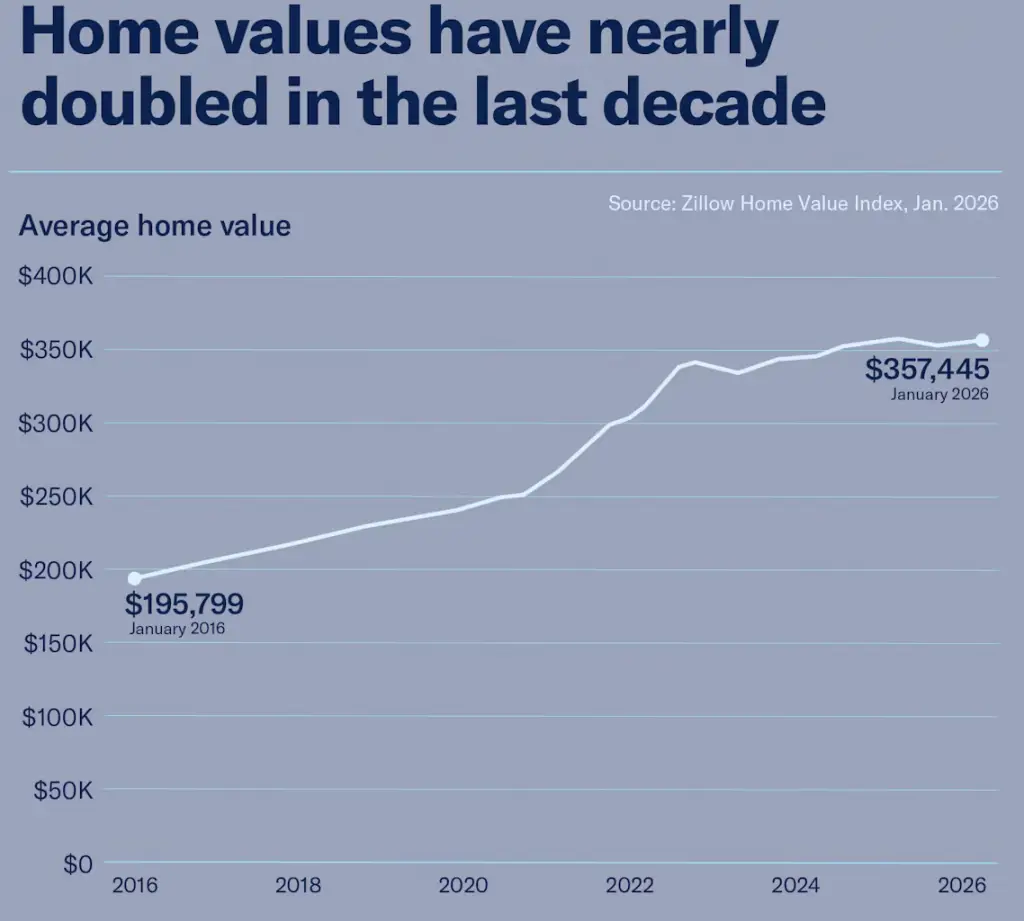
Fun Fact 5: Nearly one-third of U.S. households — over 42 million — are cost-burdened, spending more than 30% of their income on housing. That’s 4.9 million more households than in 2019 before COVID. Rising rents, home prices, and mortgage rates have far outpaced income growth. As of January 2026, the average U.S. home value reached $357,445 — up nearly 33% in just five years. High rates have also created a “lock-in effect,” where homeowners with low-rate mortgages are reluctant to sell, keeping supply tight. While home values have grown steadily since 2000 due to broader economic trends, the sharp rise since 2021 stems from high inflation, surging construction costs, and constrained supply — made worse by regulatory and zoning restrictions that continue to slow new home building.
Source: US Chamber of Commerce
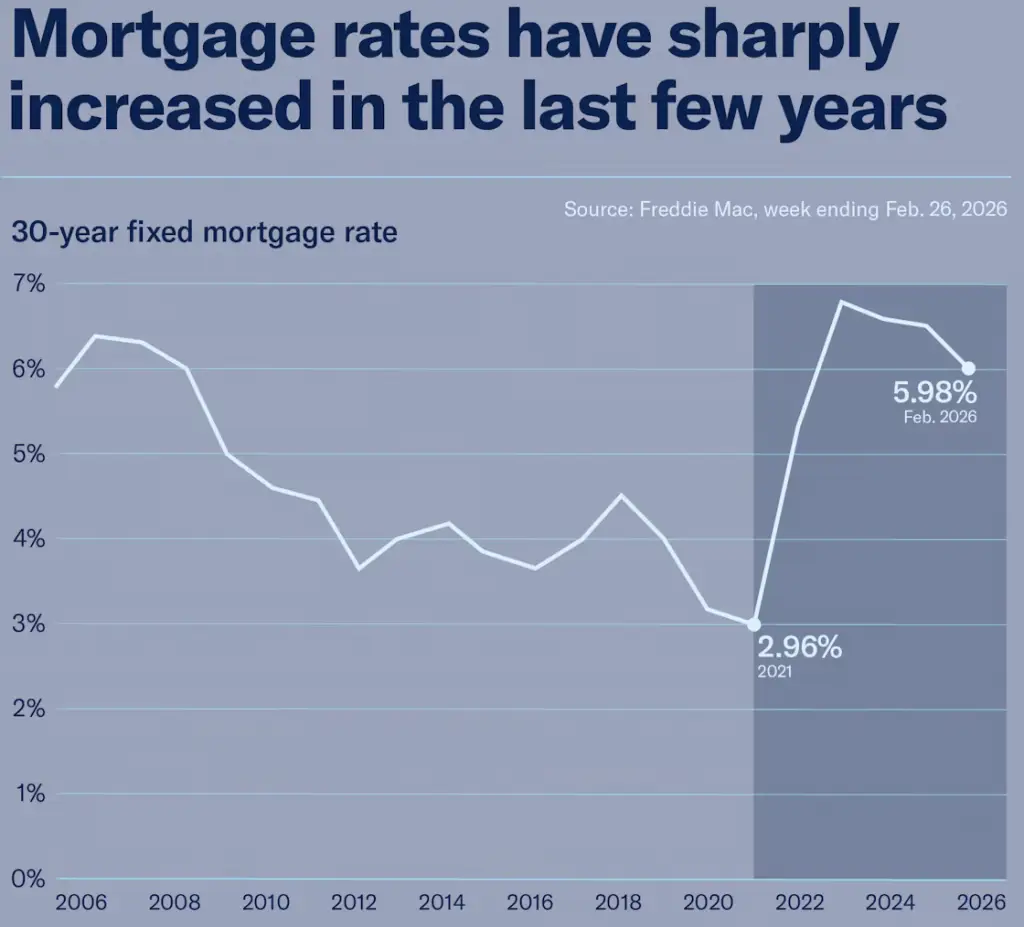
Fun Fact 6: Mortgage rates have stayed near 20-year highs, adding even more strain as home values have soared. This is especially tough for first-time buyers. While 80% of millennial homeowners enjoy rates under 5%, only 52% of Gen Z borrowers do. The 30-year fixed rate jumped from around 3% in 2021 to 5.98% by late February 2026. Although rates may ease slightly, they’re unlikely to return to pandemic-era lows. This has created a strong “lock-in effect.” Many existing homeowners — especially baby boomers — have little incentive to sell. Over half own their homes mortgage-free, and those with mortgages are locked into historically low rates. Restrictive zoning also limits downsizing options like townhomes and accessory units, keeping many in place.
Source: US Chamber of Commerce
Quote I’m pondering:
“Freedom consists in not doing what we like, but having the freedom to do what we ought.” -Pope St. John Paul II
Thanks again for reading. Subscribe HERE to get this delivered to your inbox so you never miss a read.

Disclaimer: All information provided is for educational purposes only and does not constitute investment, legal or tax advice, an offer to buy or sell any security, or to buy or sell real estate property. Read our full disclosures HERE.